
Basement waterproofing in Maryville, Tennessee
Basement Waterproofing in Maryville, TN: Sorting Leaks, Seepage and Dampness
A wet basement is easy to spend money on and hard to diagnose. This page helps you tell groundwater from plumbing leaks and condensation, and ask the right questions before agreeing to any work.
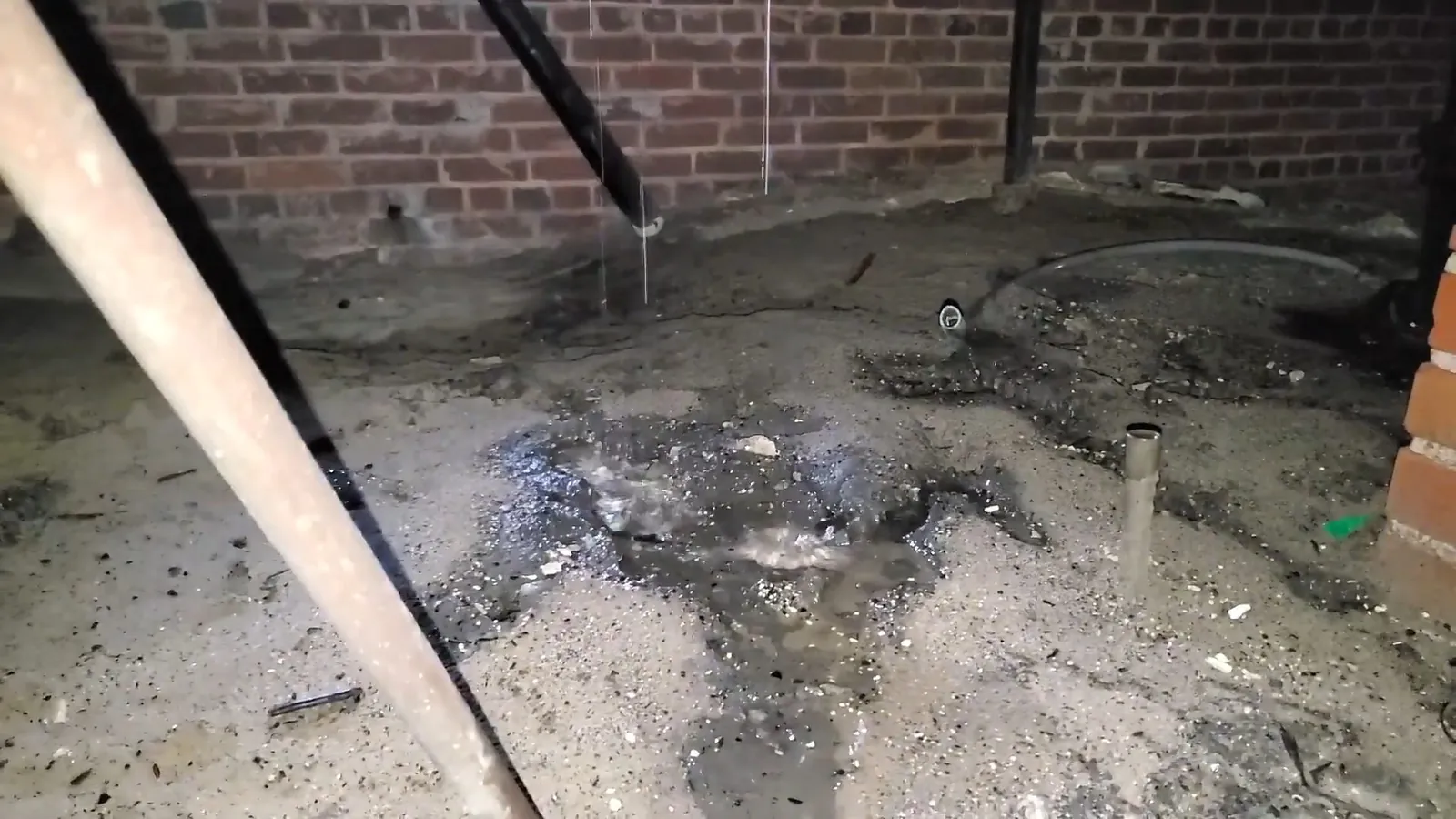
Where Is the Basement Water Coming From?
A wet basement has more than one possible cause, and each has a different fix. Treating the wrong one is the most common waste of money.
| What you see | Likely cause | Where the fix usually starts |
|---|---|---|
| Water at the floor and wall joint after rain | Groundwater pushing in at the edge of the slab | Outside drainage, then an interior drain |
| A crack in the wall that weeps | Water finding a path through a foundation crack | Crack repair, and outside drainage |
| Dampness on the walls with no standing water | Humidity or condensation | Moisture control, not a drain |
| Water that appears when it has not rained | A plumbing leak | A meter test and a leak search |
| Water around a window well | The well is filling and spilling through the window | The well and grading outside |
The rain pattern is the clue. Water that comes only after storms is groundwater. Water that arrives any day is likely plumbing.
Rule Out a Plumbing Leak First
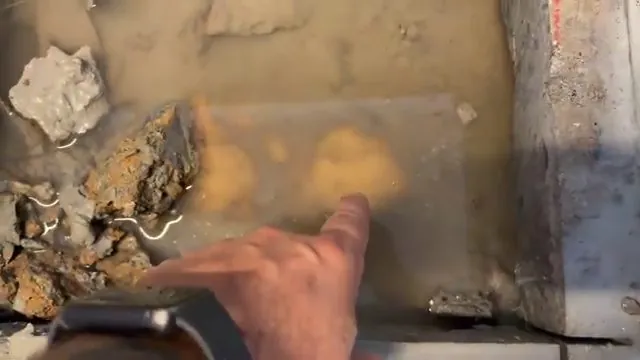
A broken pipe in a wall or under a slab looks like seepage until you test it. Shut off every fixture and read the water meter, then read it again after fifteen minutes.
If the meter moved, you have a leak, not groundwater. See a meter test for hidden leaks for how it is narrowed down. Spending money on drains before ruling this out is the costliest mistake on this page.
Call and describe what you see.
Call (833) 840-2034The Foil Test for Condensation
Dampness without standing water is often humidity. Tape a square of aluminum foil tightly to the wall and leave it for a day or two.
- Moisture on the outside of the foil: the air in the room is the source, so humidity control is the fix.
- Moisture under the foil, against the wall: water is coming through the wall, so look at drainage and cracks.
It is a crude test, and it does not replace an inspection. It does keep you from buying a drainage system to solve a humidity problem.
Fix Downspouts and Gutters Outside Before Anything Inside
Water that is kept away from the foundation never has to be managed inside. These are the lowest-cost fixes, and the first ones to check.
- Downspouts that empty right at the wall should discharge several feet away.
- Gutters clogged with leaves overflow beside the foundation.
- Soil that slopes toward the house sends water to the wall instead of away.
- Window wells that fill with leaves and water need clearing and a cover.
- Flower beds and mulch that rise above the foundation can trap water against the wall.
Walk the outside after a rain and watch where the water goes. Ask any contractor to explain what the outside is doing before proposing inside work.
Interior Drains: What They Do and Do Not Do
An interior perimeter drain is a channel cut along the edge of the basement floor. It collects water that reaches the floor and carries it away from the slab edge.
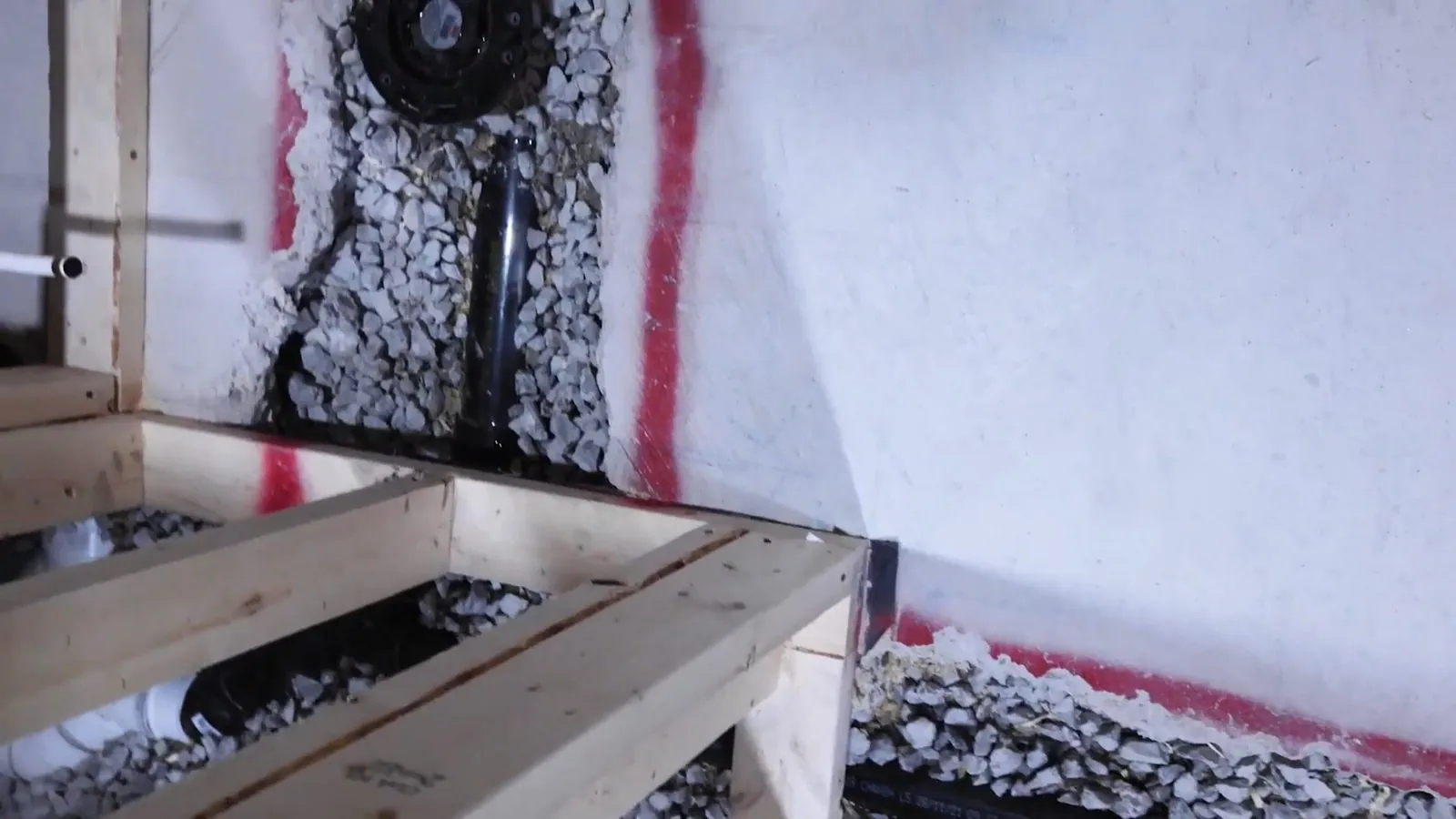
It manages water that has already gotten in. It does not stop water from reaching the wall. That can be right for a house with a persistent problem, but it is a different promise from keeping the wall dry.
- Ask where the collected water goes, and who maintains that path.
- Ask how the floor will be opened and patched, and what the finished edge looks like.
- Ask how the system is cleaned out over time.
French Drains and Other Drainage Systems Around the House
A French drain is a perforated pipe set in gravel that collects groundwater and carries it away from the house. It can run outside along the foundation or inside along the floor edge. It manages water that is already in the soil, so it is a drainage fix, not a plumbing repair.
Any drain needs somewhere to send the water, such as a lower part of the yard or a storm outlet. Water sent to a neighbor's yard or into the sewer line is a problem, so ask where the water will go. Pump systems are a separate specialty that this site does not handle.
Digging for an exterior drain needs a utility locate first and may need a permit, so ask the contractor who handles both. For yard drains and downspout lines that clog, see drain cleaning.
Foundation Cracks and Wall Sealing
Not every crack leaks, and not every leaking crack is serious. A hairline crack is different from one that is widening or offset.
- Mark the ends of a crack with a pencil and date, then watch for change.
- A crack that grows, or has one side higher than the other, is a question for a structural professional.
- Injected sealants and interior coatings address the symptom at the wall. Ask what they do and do not promise.
Be wary of any quote that treats every crack the same way, or that promises the basement will never be wet again.
Call and describe what you see.
Call (833) 840-2034Humidity, Vapor Barriers and Finished Walls
A basement can be damp without leaking. Warm moist air meets cool concrete and condenses, which feels like seepage.
- A dehumidifier sized for the space often solves condensation.
- Wall vapor barriers can keep moisture from reaching finished surfaces, but they do not stop active seepage.
- Finishing a wet basement locks in the problem. Fix the water first.
If you plan to finish the space, tell the contractor before they choose a system, because the finish changes what is sensible.
Floor Drains, Backups and Plumbing Fixtures
A basement floor drain that bubbles or overflows is a different problem from groundwater. It is usually a clogged line, and the fix is in the pipe, not the wall.
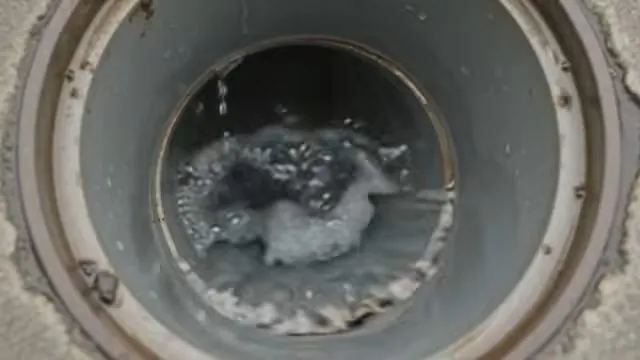
If the backup comes through a drain, see basement drainage work. If it comes with sewage, cleanup is a cleanup and drying job, not waterproofing.
Digging, Permits and Flood Zones
Outside drainage work involves digging. Tennessee 811 asks for notice three to ten working days before you dig, so the call is part of the schedule.
Ask any contractor whether the work needs a City permit and who files it. Codes Enforcement answers questions at 865-273-3500.
The City of Maryville also offers a flood-zone lookup and notes that flooding is not covered by a homeowner's policy. If your lot is near a mapped flood area, ask your insurer what applies.
Source: City of Maryville flooding and floodplain information.
Questions to Ask a Waterproofing Contractor Before You Sign
- What is causing the water, and how did you find that out?
- What does each part of the proposal fix, and what does it leave alone?
- What is the warranty, who gives it and what voids it?
- Who handles digging, permits and the 811 call?
- What will the basement look like when the work is finished?
A proposal that starts from the cause is easier to trust than one that starts from a product.
Which Basement Problems Need a Call Now
| Call now | Can be planned |
|---|---|
| Water is rising or coming in steadily | Occasional dampness after heavy rain |
| The meter moves with everything off | Condensation on cold walls in summer |
| Sewage or a strong smell with the water | A hairline crack that has not changed |
| Water near the electrical panel | A clogged gutter you can clear yourself |
Basement Taking On Water? Call and Describe It
Say when the water appears and whether the meter moves.
Call (833) 840-2034