
Trenchless pipe lining in Maryville, Tennessee
Trenchless Pipe Lining in Maryville, TN: Relining a Sewer Pipe Without Digging the Yard
Relining repairs a sewer pipe from the inside and leaves most of the yard alone. This page explains how it works, how it compares with digging, and when the camera says it will not work.
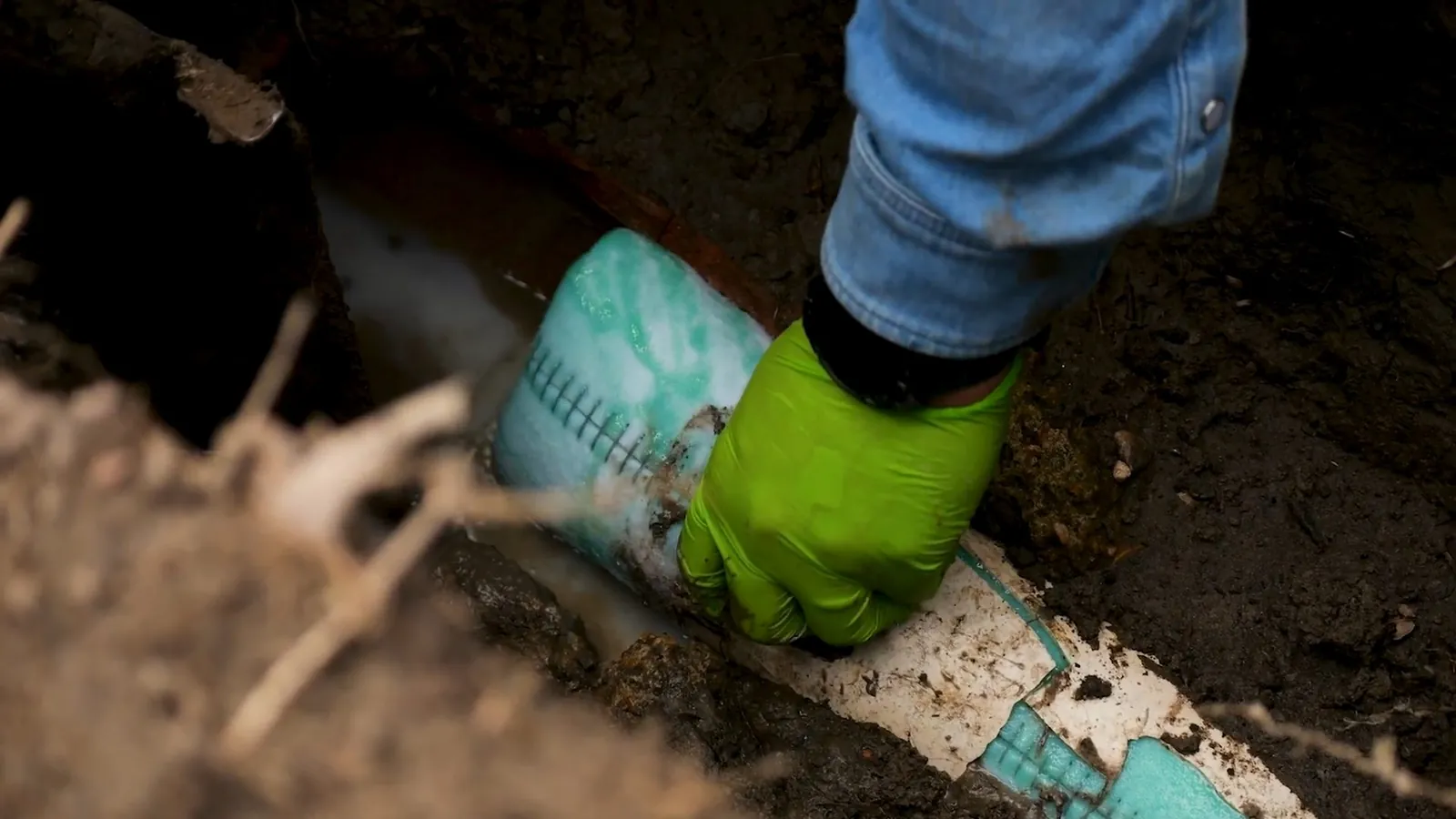
How Relining Works in Plain Terms
Trenchless repair fixes a pipe from the inside. The plumber cleans the pipe, then pulls a resin-soaked liner through it and cures it in place. The liner hardens into a new pipe inside the old one.
The usual name for the method is cured-in-place pipe lining. It works through small access points instead of a trench along the whole pipe, which is why lawns, driveways and landscaping often stay in place.
It is a repair method, not a diagnosis. A camera inspection decides whether it fits your pipe. See sewer camera findings and repair options for what that finding looks like.
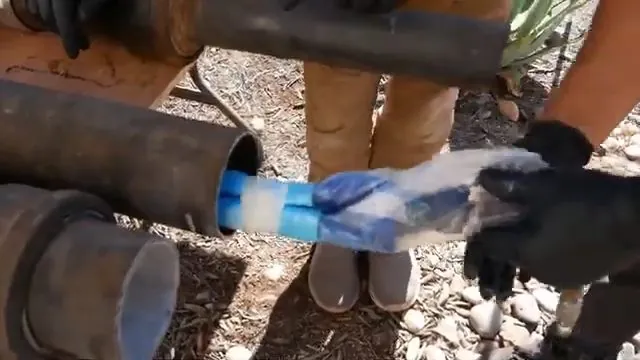
Trenchless or Open Trench: How the Two Compare
| Trenchless lining | Open-trench replacement | |
|---|---|---|
| Digging | Small access holes | A trench along the pipe |
| Yard and driveway | Mostly undisturbed | Dug up and restored |
| Pipe condition needed | Pipe must be open enough to line | Works on collapsed or badly offset pipe |
| Pipe size | Liner reduces the inside diameter slightly | New pipe of a chosen size |
| Fixes a belly | Generally no, a liner follows the old shape | Yes, the pipe is relaid to grade |
The table is why the choice depends on the camera finding, not on the method's reputation. Ask the plumber to explain why one fits your pipe better.
Call and describe what you see.
Call (833) 840-2034When Lining Is a Poor Fit
- The pipe is collapsed or so offset that a liner cannot pass.
- A belly holds water and the liner would copy it.
- Roots or heavy scale are too extensive to clear first.
- The line connects at points that need to be rebuilt, such as a broken connection at the house.
In these cases, digging and replacing is the safer choice. A plumber who recommends lining for every pipe is not reading the camera.
Preparing the Pipe: Cleaning Comes First
A liner will not bond to a coat of grease, scale or roots. The pipe is cleaned first, often with high-pressure jetting, then camera-checked before the liner goes in.
Ask for the before and after footage. The after run should show clean pipe wall, which is what the liner needs.
Ask how the plumber will reconnect branch lines and restore service to the house after the liner cures.
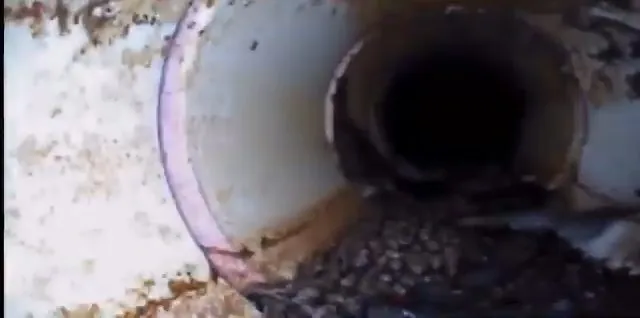
Slab-Level Pipes: Rerouting and Relining Under a Floor
The same method is used on some pipes under a concrete floor, where digging would mean breaking the slab. Relining or rerouting avoids opening the floor along the whole length.
That overlaps with slab work, which has its own page: see repairing a leak under the slab. Ask the plumber whether a reroute or a liner is the plan, and why.
The Day of a Lining Job
- Camera and measurement.The plumber confirms the pipe is open and measures its length and diameter.
- Cleaning.Roots and buildup are removed so the liner can bond.
- Liner prepared and pulled.The liner is saturated with resin and pulled through the pipe.
- Curing.It is inflated against the old pipe wall and cured with heat or light.
- Reopening and final camera run.Branch connections are cut open and the camera records the finished pipe.
Ask for the final recording. It is the evidence that the liner sits tight against the pipe and that connections are open.
Where Lining Helps Most: Trees, Driveways and Patios
Relining is most useful where digging would cost more than the pipe repair itself. A line under a driveway, a patio or a mature tree can be fixed through access points instead.
That does not make it the right choice for every such pipe. Ask the plumber to compare a liner quote with an open-trench quote that includes restoring the surface, so the two are priced the same way.
Sewer Lateral Ownership: Who Pays and What the City Rules Say
In Maryville the owner owns and maintains the building sewer inside the property lines. The Water and Sewer rules also say the customer must perform any rehabilitation or replacement the line needs.
The rules do not mention lining by name. Ask the plumber whether a liner is acceptable for your line, and ask the City Water and Sewer Department or Codes Enforcement (865-273-3500) whether a permit or inspection applies.
Source: City of Maryville Water and Sewer Rules (2019 edition), rules 1.7.4 and 1.7.6.
Call and describe what you see.
Call (833) 840-2034Access Pits, 811 and the Yard
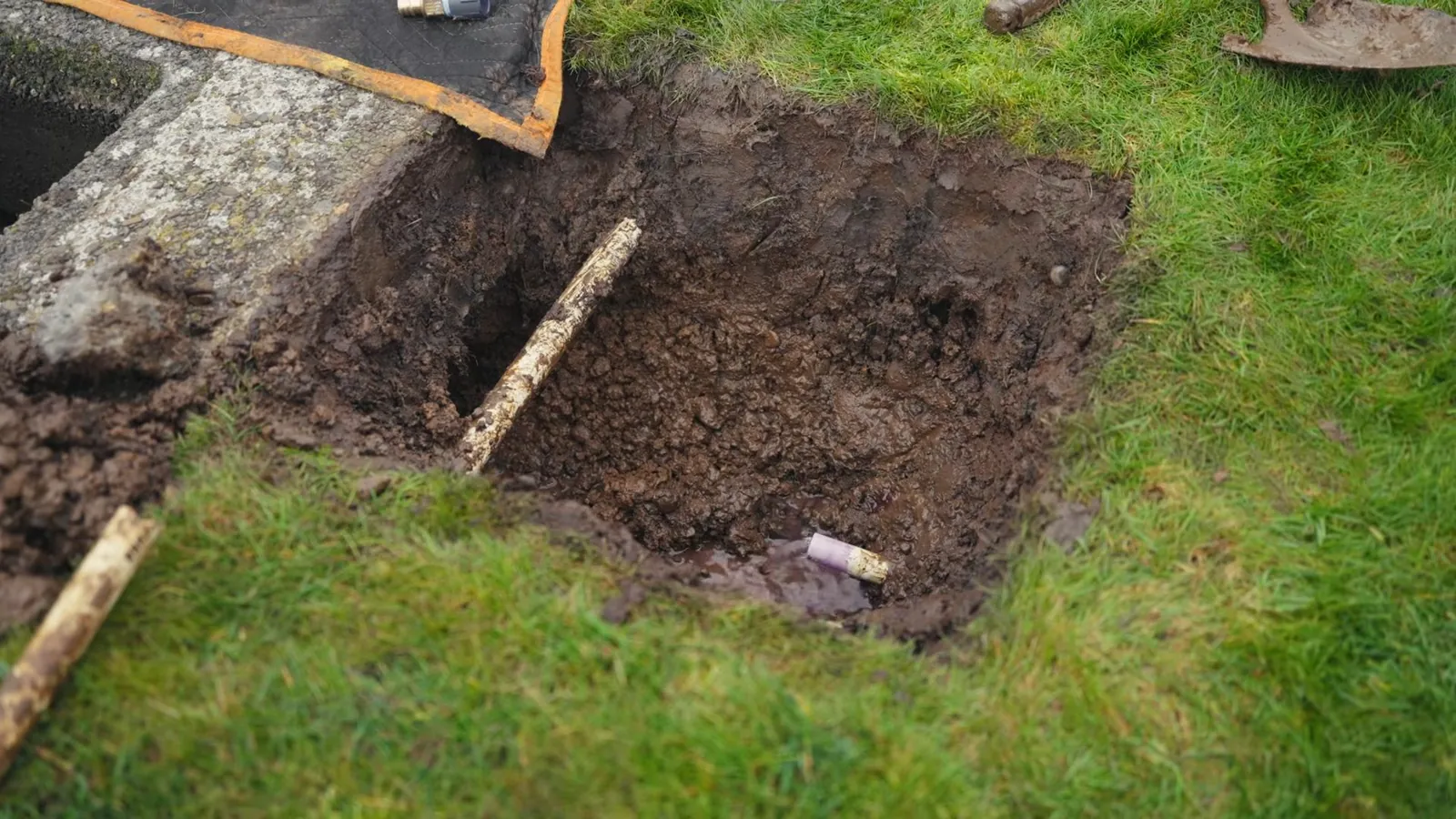
Trenchless does not mean no digging. Access points at each end of the section are still excavated, and Tennessee 811 asks for notice at least 3 and no more than 10 working days beforehand.
Ask where the access holes will go, how big they will be and how the surface will be restored. The pits are small, but they are in your yard.
Source: Tennessee 811 damage prevention FAQs.
Liner Materials, Length and What the Warranty Covers
Liners are made of fabric saturated with resin, and products differ in thickness, cure method and the length they can be installed in one run. Ask for the product name and its specification sheet, so you can read what the maker says it is for.
Ask how long a section the plumber plans to line, and where it starts and ends. A liner that stops short of a bad joint leaves that joint to fail.
Warranty terms vary by installer and by product. Ask who stands behind the work, what it covers and for how long, and get it in writing before the job starts.
Questions to Ask Before Choosing a Liner
- What did the camera show, and why does lining fit this pipe?
- How much will the liner reduce the pipe's inside diameter?
- How will branch lines be reopened and connections sealed?
- What warranty comes with the liner, in writing?
- Does the quote include the permit, 811, cleaning and the final camera run?
Failing Sewer Line: Act Now or Plan the Fix
| Act now | Plan the fix |
|---|---|
| Sewage backing up into the house | A pipe flagged by a camera that still drains |
| A collapse or complete blockage | Comparing trenchless and open-trench quotes |
| Sewer smell with wet ground over the line | Preparing for a sale with a camera report |
If water is leaving the pipe now, close the main valve and stop using drains while you call.
Want a Trenchless Opinion? Start With the Camera
Say whether the pipe has been on camera and what it showed.
Call (833) 840-2034