
Sewer line repair in Maryville, Tennessee
Sewer Line Repair in Maryville, TN: Camera Findings, Ownership and Replacement Choices
A sewer line that backs up, smells or keeps clogging has a cause you can see on camera, and an owner you can look up in the City rules. This page covers both before you approve a repair.
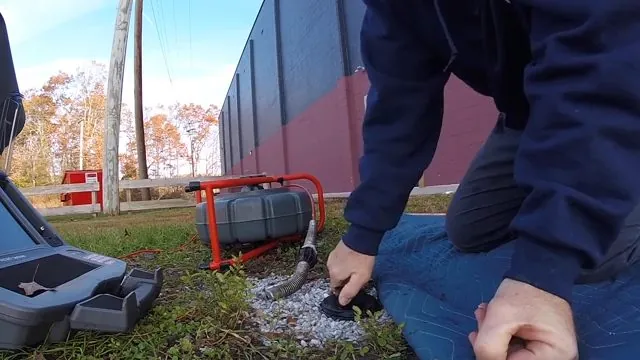
Signs the Problem Is the Sewer Line, Not a Drain
- More than one fixture backs up, especially the lowest in the house.
- Toilets gurgle when the washer drains.
- A sewage smell in the yard or the basement.
- A wet or unusually green strip in the lawn along the line.
- A clog that returns within days of being cleared.
One slow sink is a drain problem. The signs above point to the line between the house and the street. For a single fixture, see clearing a clogged drain.
Whose Sewer Line Is It? Maryville's Rules
The City of Maryville Water and Sewer rules say the building sewer, the service line, is installed, owned and maintained by the property owner, inside the property lines. It must run at least 5 feet from the water service line and pass inspection before it is covered.
The rules also say the customer must keep the line in repair and perform any rehabilitation or replacement it needs. If the main in the street is blocked, the City clears it at its own expense. If a blockage proves to be on the customer's side, the customer pays the City crew's actual cost.
So a failing lateral is the owner's repair. Before paying for work, ask the City Water and Sewer Department to confirm that the problem is not in the main.
Source: City of Maryville Water and Sewer Rules (2019 edition), rules 1.7.4, 1.7.6 and 1.7.9.
Call and describe what you see.
Call (833) 840-2034The Camera Inspection Comes First
A sewer camera shows what is wrong, where it is and how far it extends. Without it, a repair quote is a guess.
- Ask for the footage or stills, with the distance from the cleanout to each problem.
- Ask the plumber to name what they see: roots, a crack, an offset joint, a collapsed section or a belly.
- Ask whether the pipe is cast iron, clay or plastic. The material changes the repair.
A camera run is also how a buyer checks a home's sewer line before closing. Ask for the recording so you can show it to a second plumber.
Spot Repair or Full Replacement
| Camera finding | Usual direction |
|---|---|
| One cracked or offset section, rest of the pipe sound | Repair or replace that section |
| Roots at one joint | Clear the roots and repair the joint |
| A long belly or several defects along the line | Replace a longer run |
| A collapsed section | Dig and replace, or line the pipe if it is still passable |
A repair that leaves a failing pipe on either side can lead to the next break. Ask the plumber how much of the line they believe is sound, and why.
When digging is the concern, see relining without a trench as another option for some pipes.
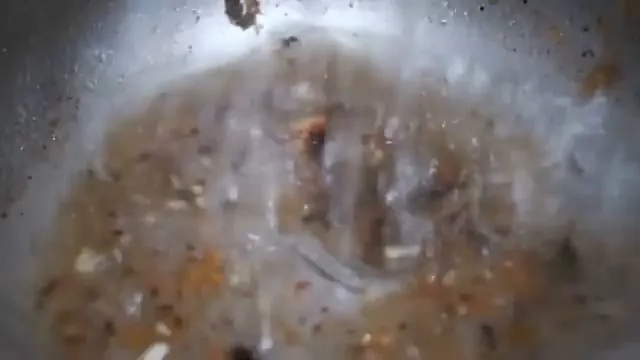
Trenchless or Open Trench: How the Two Methods Compare
| Method | What happens | Fits when | Trade-off |
|---|---|---|---|
| Open trench | Dig along the line, remove the damaged pipe and lay new pipe | A collapsed section, a belly that holds water or a pipe that needs a new slope | Yard, drive or landscaping disturbed, and 811 and permit steps apply |
| Trenchless lining | A liner is placed inside the existing pipe through small access points and cured in place | A cracked or rough pipe that is still open and still carries water downhill | It does not fix lost slope or a collapsed pipe |
A camera inspection decides which method applies, so ask to see the footage before choosing. The trenchless sewer repair page explains how lining works and when it is a poor fit.
A sewer line that leaks into the soil may show as a soft or sunken spot in the yard, a persistent odor or a camera view of cracks and missing pipe. Camera inspection is how a buried leak in a sewer line is located.
What the City Requires for a New Building Sewer
Maryville's local plumbing modifications set the materials and layout for building sewer work. Cast iron, ductile iron and certain plastic pipe are on the approved list. Asbestos-cement pipe, concrete pipe and coextruded PVC are prohibited.
Cleanouts for new work go at most 80 feet apart, the first one 3 to 5 feet from the building wall, and no two-way cleanouts are allowed. The line must pass inspection before it is covered.
Ask the plumber to name the pipe material in the quote and to confirm it is on the City's list. Residential inspections go through 865-273-3516.
Sources: City 2024 plumbing code local modifications and City required inspections.
Call and describe what you see.
Call (833) 840-2034Call 811 Before Any Digging
Sewer work in the yard means digging. Tennessee 811 asks for notice at least 3 and no more than 10 working days before an excavation, so buried utilities can be marked.
Ask the plumber who calls 811 and when. A job that depends on a locate has a built-in delay, which matters if the line is backing up into the house.
Source: Tennessee 811 damage prevention FAQs.
Roots, Bellies and Offsets: What Each Means
- Roots: they enter through a joint or crack. Clearing them is temporary unless the opening is repaired.
- A belly: a low spot that holds water and waste. It causes repeat clogs and does not fix itself.
- An offset joint: two pipe ends that no longer line up. Debris catches at the step.
- A collapse: the pipe has failed. Water can no longer pass freely.
If roots are the main finding, jetting may be a first step. See jetting a rooted line for when that fits.
Buying or Selling a Home: The Sewer Scope
A sewer scope is a camera inspection of the line from the cleanout to the street, often done during a home sale. It shows whether the line is sound before you take ownership of it.
In Maryville the owner maintains that line, so a defect found at closing becomes the buyer's repair unless it is negotiated. Ask for the recording and the plumber's written findings, so you can compare them with a second opinion and bring them to the seller.
This page covers home sewer lines. Commercial and industrial lines are a different job with different equipment and are outside this site.
Questions to Ask Before You Approve a Sewer Repair
- What did the camera show, and can I keep the footage?
- Is the problem on my side of the property line or in the City main?
- Why this repair and not the alternatives?
- Does the quote include the permit, 811, inspection and restoring the yard?
- What material will the new pipe be, and is it approved in Maryville?
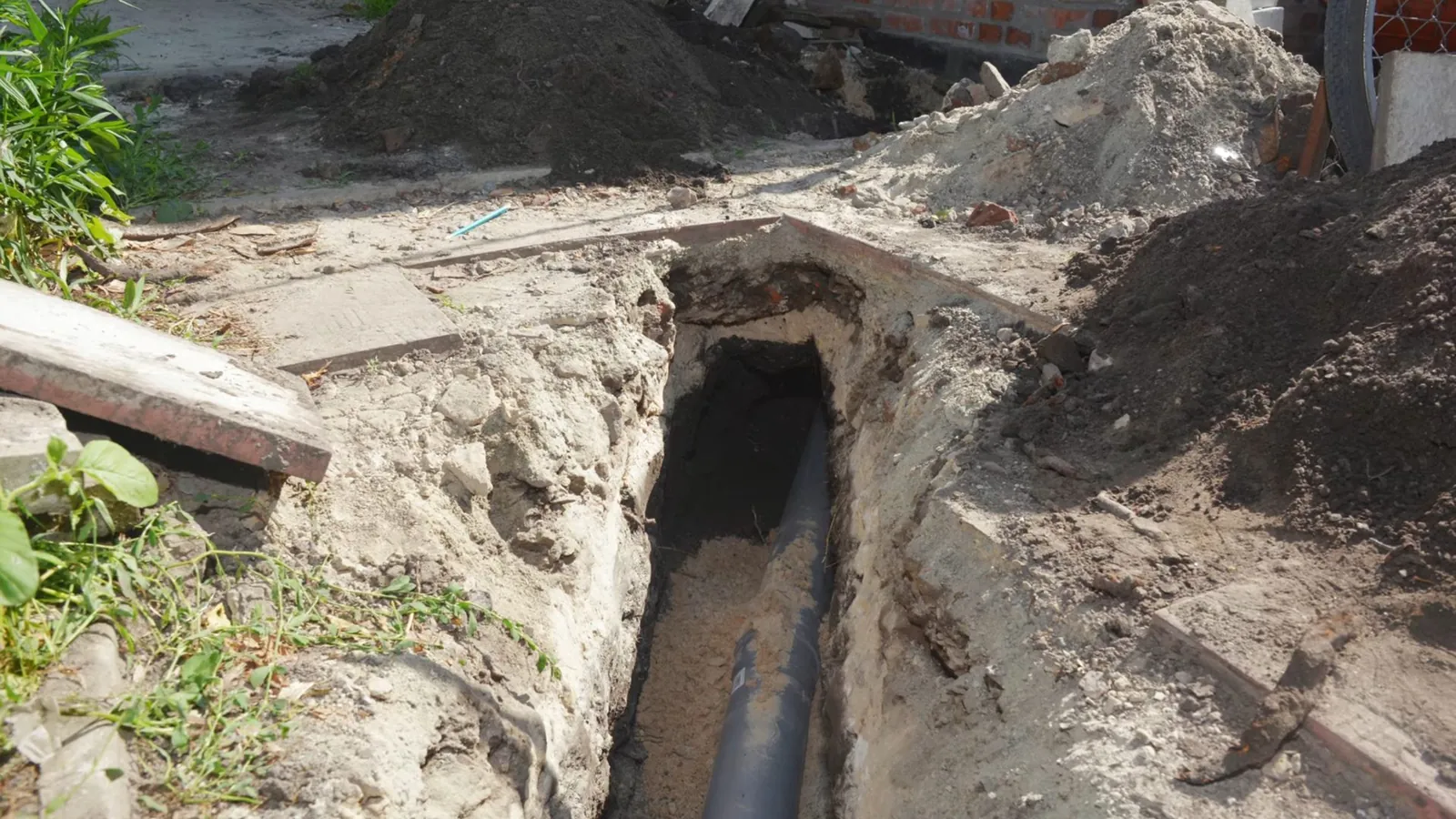
Sewage in the House: What Cannot Wait
| Call now | Plan a visit |
|---|---|
| Sewage rising in a tub, shower or floor drain | A camera inspection before buying a house |
| Several fixtures backing up at once | A slow main that has not backed up |
| A sewer smell with wet ground over the line | A plan to line or replace an old pipe |
Stop using water in the house while you wait. Sewage in living space also needs cleanup, which is covered under drying and cleanup.
Sewer Backing Up? Call and Describe It
Say which fixtures are backing up and whether a camera has looked at the line.
Call (833) 840-2034