Hydro jetting in Maryville, Tennessee
Hydro Jetting in Maryville, TN: When a Cable Is Not Enough for Grease, Scale and Roots
A drain that clogs again right after a cable visit often has grease, scale or roots coating the pipe wall. This page explains when hydro jetting helps, when to look at the pipe first, and what to ask.
What Hydro Jetting Does That a Cable Does Not
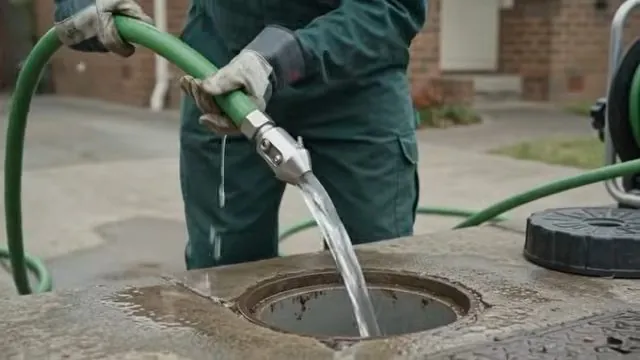
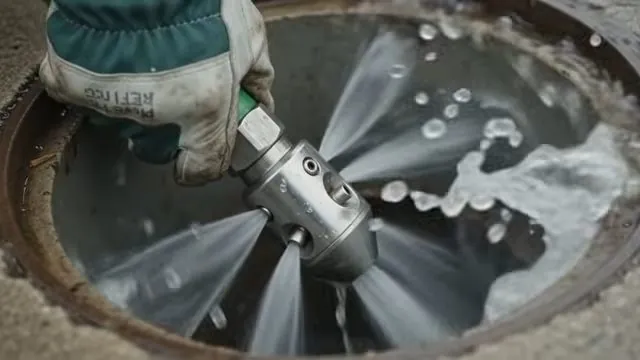
A cable punches a hole through a clog. Hydro jetting sends high-pressure water through a hose and scours the inside of the pipe. The difference is the pipe wall.
A cable can leave a coat of grease, scale or root hairs on the wall, and the pipe narrows again. Jetting strips the wall, which is why it suits pipes that keep clogging with the same buildup.
Jetting is a specialist service. Everyday clogs in one fixture are usually handled by cable drain clearing.
Is Your Pipe a Jetting Candidate?
| What the pipe has | Does jetting fit? |
|---|---|
| A coat of grease or soap scale along the wall | Yes. This is what jetting clears best. |
| Tree roots growing through a joint | Yes, to clear the roots. The joint still needs repair, or they return. |
| A cracked, collapsed or offset pipe | No. High pressure can make damage worse. The pipe needs repair. |
| A belly that holds water | Jetting clears debris but does not fix the dip. |
| A clog in a single fixture | Usually not needed. A cable is the first tool. |
The table is why many plumbers want a camera look first. Jetting a damaged pipe can turn a repair into a bigger one.
Call and describe what you see.
Call (833) 840-2034Camera First, Then Jet, Then Camera Again
Ask for a camera run before jetting. It shows whether the pipe is sound enough to be jetted and what you are clearing.
Ask for a second camera run after. It shows whether the wall is clean and whether the pipe was damaged underneath the buildup, which a coating can hide.
- Ask to see the footage or stills from both runs.
- Ask the plumber to name what was removed: grease, scale, roots or debris.
- Ask what the camera showed about the pipe's condition, in writing.
If the camera finds a break or collapse, the next step is repairing the damaged line, not more jetting.
Tree Roots: Clearing Them and Keeping Them Out
Roots enter a sewer pipe through a loose joint or a crack, because the pipe carries moisture and nutrients. A jet cuts the roots back and washes them out.
Cutting roots does not close the opening they came through. If the camera shows roots at a joint, ask whether the repair plan includes sealing or replacing that section, or how long clear flow is likely to last.
A root problem that returns every season is usually a sign that the pipe needs repair. Repeated jetting is a maintenance choice, not a fix.
Grease and Scale in Kitchen and Main Lines
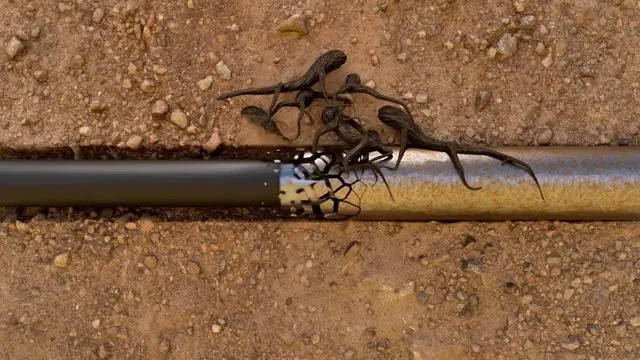
Kitchen waste lines carry grease that cools and sticks. Over years it hardens into a layer that a cable pushes through but does not remove.
Jetting suits a main line with a heavy coat of this buildup, because it restores the pipe's full bore. Ask the plumber how much of the diameter the camera showed was lost.
Where a clog keeps returning in the same place, it may be a belly or a joint, not a coat of buildup. That is the camera's job to tell apart.
Your Cleanout Decides How Easy the Job Is
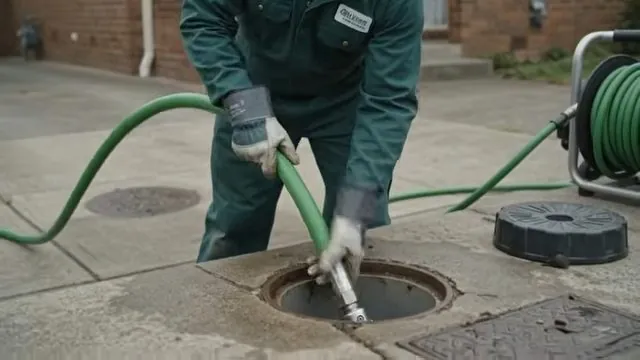
Jetting needs access to the line. A cleanout gives it. Without one, the plumber may need to pull a toilet or open a fitting.
Maryville's local plumbing modifications set cleanouts for new building sewer work at most 80 feet apart, the first one 3 to 5 feet from the building wall, and no two-way cleanouts. Older homes may differ, so use this as a guide to where to look.
Source: City of Maryville local modifications to the 2024 International Plumbing Code.
Call and describe what you see.
Call (833) 840-2034City Main or Your Line? Settle It Before You Pay
A backup that reaches several fixtures may be in your sewer line or in the City main. Maryville's Water and Sewer rules say the owner maintains the building sewer inside the property lines, the City clears its own main at its own expense, and a blockage on the owner's side is billed at the City crew's actual cost.
Before you pay for jetting on a main line, ask the City Water and Sewer Department whether the blockage is in the main. Jetting your own line will not help if the problem is in the street.
Source: City of Maryville Water and Sewer Rules (2019 edition), rules 1.7.4, 1.7.6 and 1.7.9.
What the Day of Jetting Looks Like
- Find the cleanout.The plumber locates it, or you show them where you found it.
- Run the camera.The first run shows the pipe's condition before anything is jetted.
- Jet the line.A hose with a nozzle works along the pipe, and water and debris flow out of the line.
- Run the camera again.The second run confirms the wall is clean and shows any damage the buildup was hiding.
- Review the findings.You get an explanation of what was removed and what the pipe needs next.
Expect some mess at the cleanout. Ask the plumber how they will contain the water and debris, and how they will clean up.
How Often to Jet a Line Based on What the Camera Showed
Maintenance jetting is a choice on lines with a known buildup, such as a kitchen waste line coated with grease. It is not a fix for a damaged pipe.
Ask the plumber to suggest an interval based on what the camera showed, not on a calendar. If the line fills up again faster than the interval, the pipe probably has a defect that jetting cannot remove.
What to Ask Before Jetting Is Approved
- Will you camera the line before and after?
- Do you see damage that makes jetting a risk?
- What will the jet clear, and what will it leave?
- How long is clear flow likely to last for this pipe?
- If roots are the cause, what repair stops them returning?
Backups That Need a Plumber Now
| Call now | Plan a visit |
|---|---|
| Sewage backing up into the lowest drains | A main that slows after heavy use |
| Several fixtures clogged at once | A coat of grease found on a camera run |
| A line that clogs again within days of clearing | Preventive jetting on an older line |
If a plain clog is all you have, see drain cleaning for a single clogged fixture first.
Clog Keeps Returning? Talk Through Jetting
Say how often it clogs, which fixtures back up and whether a camera has been used.
Call (833) 840-2034