
Bathroom plumbing in Maryville, Tennessee
Bathroom Plumbing in Maryville, TN: Shower Leaks, Valves and Fixture Hookups
A bathroom stain, a leaking shower or a plan to move a fixture all involve pipes behind a wall. This page covers how to find the source, what the City inspects, and what to ask a plumber to quote.
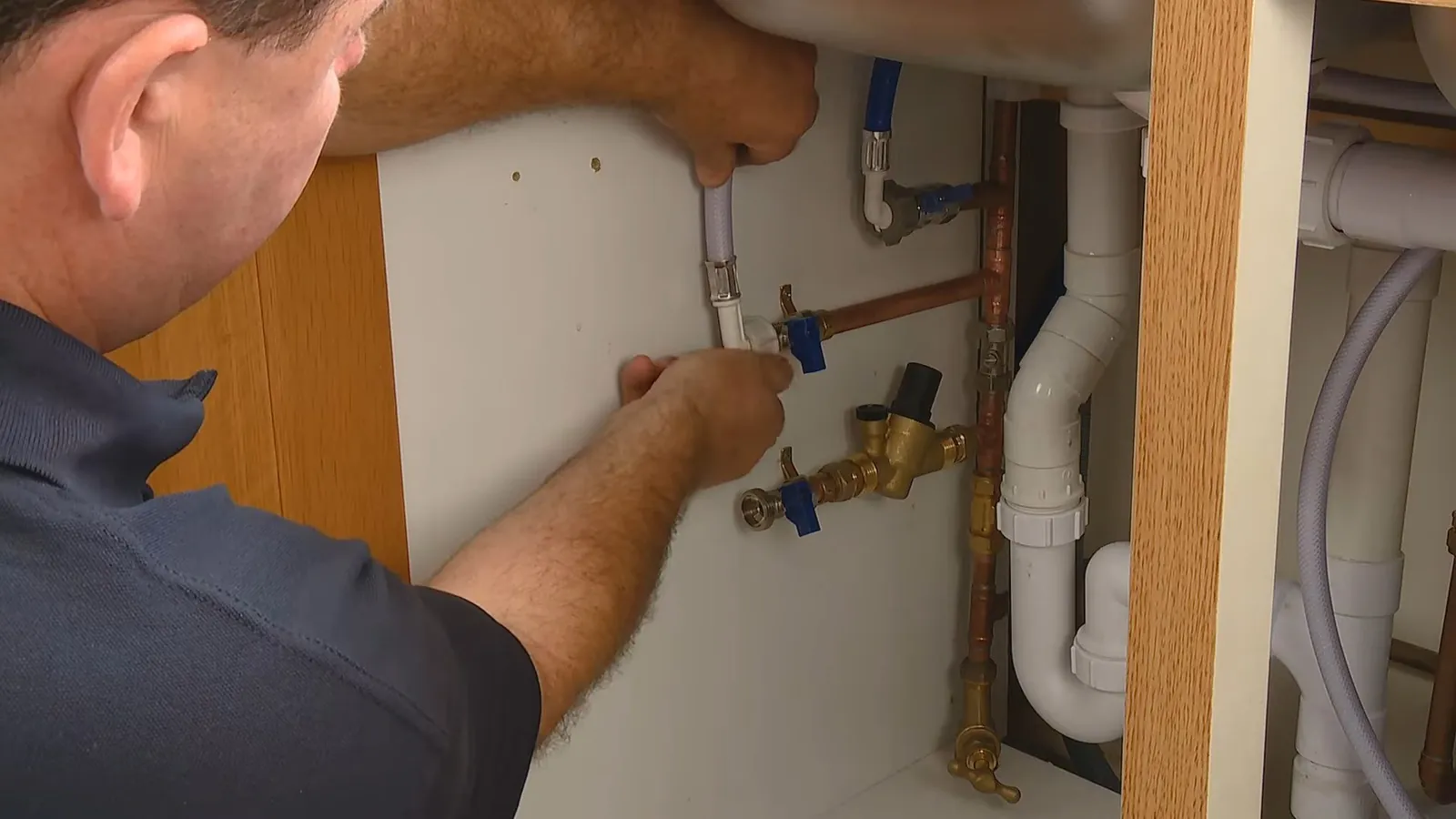
Where Is the Bathroom Water Coming From?
A stain on the ceiling below a bathroom, a soft spot beside the tub or a musty smell can come from several places. Naming the source first keeps you from paying to fix the wrong one.
| Symptom | Likely source |
|---|---|
| Ceiling stain below the bathroom, worse after showers | The shower pan, drain connection or the shower valve |
| Ceiling stain that appears even when nobody has used water | A supply line under pressure behind a wall or under the floor |
| Water at the base of the toilet | The wax ring or the supply connection |
| Wet cabinet under the vanity | Supply lines, stop valves or the sink trap |
| Tub spout drips when the shower runs | A worn diverter or valve |
A faucet or shower valve that drips is a smaller job than a pan or pipe leak. For valves and tub spouts, see shower valve and tub leak repair.
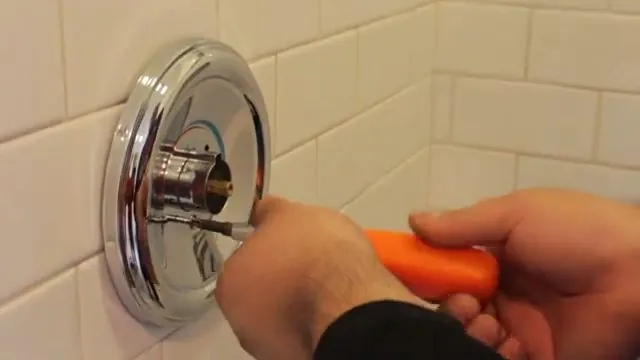
What You Can Check Without Opening a Wall
- Test one source at a time.Run the shower for ten minutes, then stop and check the ceiling below. Next fill the tub or the sink and drain it. The action that brings the wet spot back is your lead.
- Look under the vanity and around the toilet.Dry the connections with a paper towel and see where new moisture appears.
- Shut off what is leaking.Close the stop valve under the fixture. If the leak is behind a wall, close the main valve.
- Photograph the stain.A dated photo helps your insurer and shows whether it is growing.
These checks narrow the source. They cannot see inside a wall or under a shower pan, which is what a plumber's testing is for. A leak behind a wall that you cannot trace is a job for locating a leak inside a wall.
Call and describe what you see.
Call (833) 840-2034Shower Pan Leaks: Why the Plumber Tests Before Cutting
A shower pan is the waterproof floor under the tile. When it leaks, water goes into the subfloor, often with no mark on the surface until the ceiling below stains.
A plumber can plug the drain, fill the pan with water and see whether the level drops. That test tells you whether the pan is the leak before anyone removes tile. Ask for the result.
A failed pan is repaired or rebuilt, and the waterproofing and tile belong to a tile setter, not a plumber. Ask who does that part and how the two will be scheduled.
Toilet Repair and Installation: Running, Tank Parts and Dual-Flush
A toilet that runs, hisses or refills by itself is usually losing water inside the tank. The parts are small and the repair is often quick, but a toilet that runs all day wastes water, so it is worth fixing soon.
- Flapper: if it does not seal, water trickles into the bowl and the tank refills again and again.
- Fill valve: a worn valve hisses, fills slowly or never shuts off.
- Chain: too tight and it holds the flapper open, too loose and it fails to lift it.
- Wax ring or supply connection: water at the base of the toilet points here, not to the tank.
Dual-flush toilets use two buttons or a two-way handle, one for a smaller flush and one for a full flush. The valve inside is a different part from a standard flapper, so ask the plumber which valve your model uses before parts are bought.
Replacing a toilet means setting a new seal on the flange, tightening the bolts, connecting the supply line and stop valve, and testing for leaks. Measure from the finished wall to the center of the drain before buying, because the toilet has to match that distance. A toilet that will not flush at all is more often a clog than a worn part, and drain cleaning covers that.
Ask the plumber, or the City's Codes Enforcement office at 865-273-3500, whether a like-for-like swap needs a permit. Moving the toilet is a different job, covered below.
Tub-to-Shower Conversions and Toilet Relocation
Turning a tub into a shower changes the plumbing at the floor, not just the tile. The drain position usually has to change for a shower base, and the valve and trim are often replaced at the same time. Waterproofing and tile belong to a tile setter, so ask who sets the schedule between the two trades.
Relocating a toilet means a new drain location and a vent path, which means opening the floor and sometimes the framing below it. The drain needs a continuous slope to the existing line, so a short move is easier than a long one. As with any rough-in, the new pipe is tested and inspected before the floor is closed.
Ask for the scope in writing: which pipes move, what gets opened, who patches it, and whether the quote includes the permit and inspections.
Moving or Adding a Fixture: What Rough-In Means
Rough-in is the plumbing inside the walls and floor before the fixtures go on: supply lines, a drain, and a vent. Moving a toilet, adding a second sink or relocating a shower puts new pipe into the structure.
That is the stage that gets inspected. Once the walls are closed, nobody can look at the pipe again, so the rough-in pressure test happens first and the plumber should schedule it before drywall goes up.
This page covers the plumbing in a bathroom. A full remodel with new framing, tile, cabinets and electrical involves other trades.
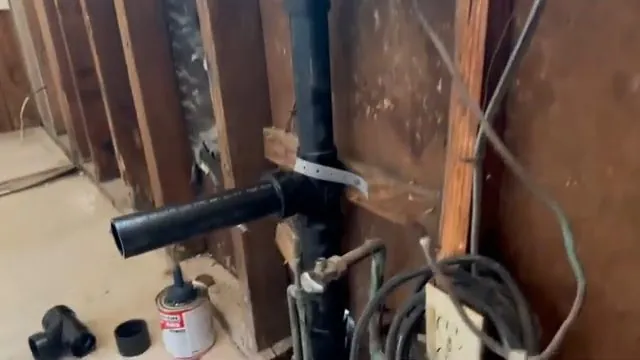
Fixture Hookups: What the Plumber Connects Before You Choose Fixtures
The drain and supply locations are set before the fixtures arrive, and they come from each fixture's specification sheet. Choose the toilet, vanity and shower trim before the plumber sets the rough-in, or the pipes may land in the wrong spot.
- Toilet: the flange, the wax ring or seal, and the supply line and stop valve.
- Vanity sink: the faucet, supply lines, stop valves and the drain trap.
- Tub or shower: the valve and its trim, the spout or shower head, and the drain.
Ask who supplies each fixture and who is responsible if one arrives damaged or does not match the rough-in. Agree on this before the walls are opened.
Permits and Inspections in Maryville
The City requires a plumbing permit, a rough-in inspection with a pressure test before pipes are covered in a wall or under a slab, and a final plumbing inspection after fixtures are set. Residential inspections are scheduled through 865-273-3516.
The City adopted the 2024 International Plumbing Code and Residential Code effective January 1, 2026. Detached one- and two-family homes follow the residential code. A permit becomes invalid if work does not start within 60 days, so the plumber should pull it close to the start date.
Inspectors take scheduling calls at set times, so a delay can hold up a remodel. Ask the plumber whether the quote includes the permit, the pressure test and the final inspection, and who books them.
Sources: City of Maryville Codes page, required inspections (February 2025) and 2024 plumbing code local modifications.
Licensing Thresholds Before You Hire
Tennessee requires a contractor license for plumbing projects of $25,000 or more. Smaller projects fall under the state's Limited Licensed Plumber license. A homeowner may do plumbing on their own residence, but a local permit is still required regardless of size.
Most bathroom plumbing falls under the smaller category. Ask the plumber for their license details before work begins, and ask who pulls the permit.
Source: Tennessee Department of Commerce and Insurance, plumbing law.
Call and describe what you see.
Call (833) 840-2034Who Does What: Plumber, Tile Setter, Electrician
- Plumber: supply lines, drains, vents, valves, fixtures and the pan test.
- Tile setter or remodeler: waterproofing membrane, tile and grout.
- Electrician: exhaust fans, lighting and outlets near water.
- Insurer and a drying crew: water damage from a leak, covered under drying and cleanup after a leak.
Bathroom Plumbing Questions to Ask Before You Approve Work
- What is the source of the leak, and how was it confirmed?
- Does the quote include the permit, the rough-in pressure test and the final inspection?
- Who handles the tile and waterproofing after the plumbing?
- What will the fixtures be, and who supplies them?
- What happens if a wall opens and shows more damage?
When Bathroom Water Damage Is Urgent
| Needs a plumber today | Can be planned |
|---|---|
| Water is dripping through the ceiling below | A slow drain in the vanity sink |
| A supply line is spraying or will not shut off | A fixture you want moved or added |
| The floor around the tub is soft or spongy | A drip at the tub spout |
Closing the main valve buys time on an active leak. Then call and describe where the water is.
Before Anyone Opens a Wall, Make the Call
Say where the water shows up and whether the walls are open yet.
Call (833) 840-2034