
Slab leak repair in Maryville, Tennessee
Slab Leak Repair in Maryville, TN: Proving, Locating and Fixing a Leak Under the Floor
A warm spot on the floor, a bill that climbs or the sound of water at night can point to a pipe beneath the slab. This page helps you prove it, understand the repair paths and avoid surprises when the floor comes up.
What a Slab Leak Is
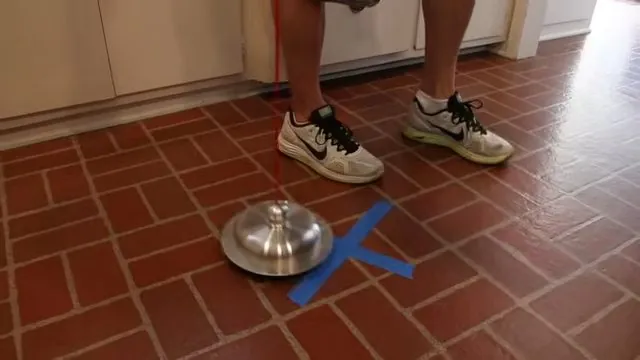
A slab leak is a leak in a pipe that runs under or inside a concrete floor. Supply lines and drain lines can both be involved, and the water has nowhere visible to go.
That hidden path is the whole problem. You may not see water for a long time, so the first clue is often a number on a bill or a spot that feels warm underfoot.
Not every leak near a concrete floor is a slab leak. Many are in walls, ceilings or yard lines. The goal of the first visit is to prove which one you have before anyone cuts concrete.
Signs That Point Under the Floor
| What you notice | What it might mean | Sensible next step |
|---|---|---|
| A floor spot that feels warm | A hot water line may be leaking beneath it | Note the spot, then run the meter test |
| The sound of water with every fixture off | A pressurized line is losing water somewhere | Meter test, then ask for acoustic tracing |
| A water bill that climbs with no change in use | Water is escaping after the meter | Compare bills, then run the meter test |
| Damp carpet, lifting flooring or a musty smell | Moisture is rising from below, or from a nearby wall | Photograph it and get a moisture reading |
| Falling hot water pressure | A hot line may have a leak, or something else is wrong | Check other fixtures, then call |
No single sign is proof. A warm floor can also come from a heating system, and damp flooring can come from a drain leak or a wall leak. You want a test, not a guess.
Proving the Leak Is Beneath the Slab
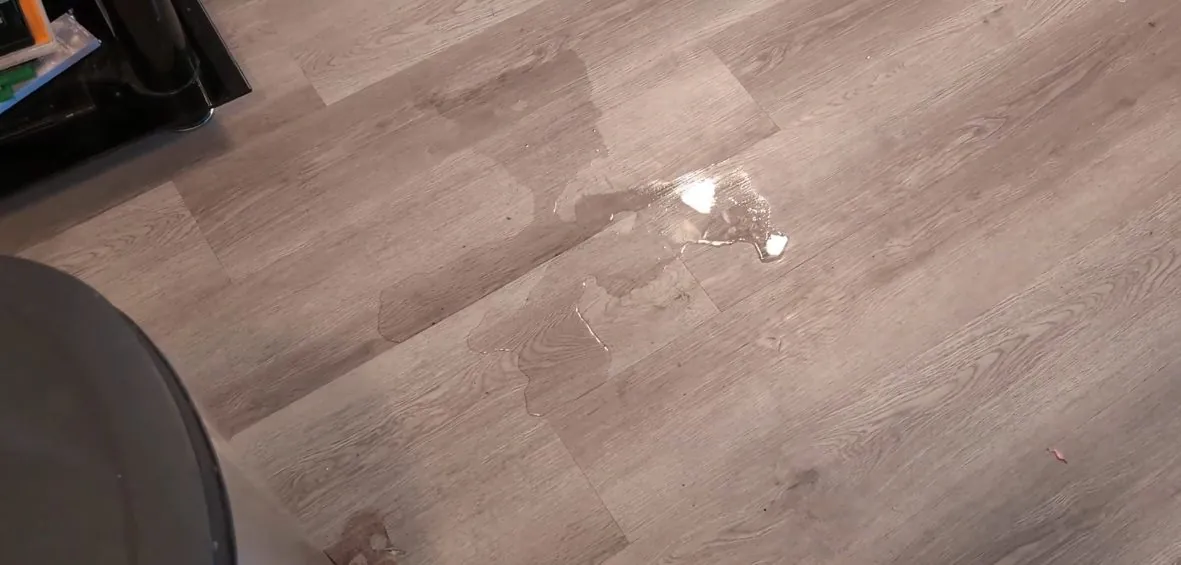
Start with the steps on the confirming where the leak is page: shut off every fixture, read the meter, wait, read it again. A moving meter means water is escaping after the meter.
Then narrow it. Close the main valve at the house and read the meter again. If it still moves, the leak is in the yard. If it stops, the leak is inside, and a plumber can isolate hot from cold to see which line is losing water.
Acoustic listening gear and thermal imaging help place the leak on the floor plan. Ask the plumber to mark the location and to explain how sure they are, because that mark is where the floor may be opened.
Call and describe what you see.
Call (833) 840-2034Five Ways a Slab Leak Gets Fixed
There is more than one repair path. Which one fits depends on where the pipe runs, how many leaks there are and what the plumber finds.
| Approach | What it involves | Best when | Trade-off |
|---|---|---|---|
| Spot repair through the slab | Open the floor over the leak, fix the pipe, patch the concrete | One leak in an otherwise sound line | Floor opening, flooring removal and patching |
| Tunnel beneath the slab | Dig a tunnel from outside the house under the foundation to reach the pipe without breaking the floor | The leak is under a floor you want left intact and the soil and foundation allow it | Heavy excavation work and not suited to every site, so ask why it fits yours |
| Reroute the line | Abandon the leaking run and run a new line through walls or the attic | A line with repeat leaks or hard to reach | Wall or ceiling openings and drywall repair |
| Pipe lining, epoxy coating or pulling a new line | Coat the inside of the pipe with epoxy or pull a new line from access points, with less demolition | The layout allows it and the pipe condition permits | Not every pipe qualifies, and ask whether a coating is approved for drinking water lines |
| Repipe the house | Replace the supply system, not one run | Several leaks or aging pipe through the house | Larger job, covered on the repiping page |
The method that avoids breaking concrete is the one many homeowners ask about first. See trenchless methods for how lining and pulling work on drain lines, which shares ideas with supply-side options.
A plumber who offers only one path for every house deserves a follow-up question about why.
Questions to Ask Before Anyone Opens the Floor
- Where exactly will the floor be opened, and how big is the opening?
- Who removes and replaces the flooring, and is that in the quote?
- Who patches the concrete, and how is it finished?
- Why is this option better than the other three for this house?
- Will the system be pressure tested after the repair, and will I get the result in writing?
- Is a City permit part of the work, and who files it?
Flooring is where surprises happen. Tile, hardwood and carpet each have a different removal and replacement story, and a quote that says nothing about it is incomplete.
Can a Slab Leak Hurt Your Foundation?
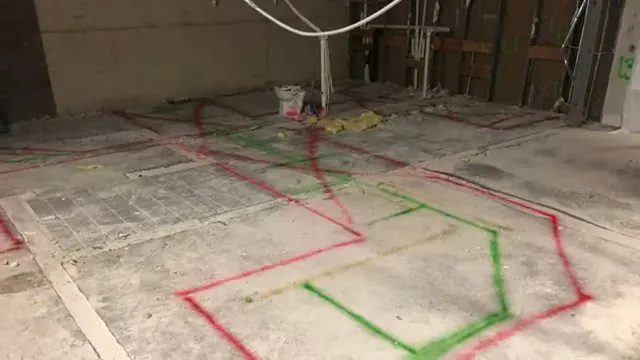
Water escaping beneath a slab can matter to the soil below it. In some conditions it can wash out or soften soil, and a foundation that settles can crack walls or tilt a floor.
Whether that is happening to your house is something a plumber cannot decide from a pipe test. No local survey of how common slab leaks are or how Maryville soil behaves is cited here, so none is claimed.
- Cracks that are widening, doors that stick and floors that slope are reasons to ask a structural professional.
- A plumber can tell you the pipe is fixed. A structural professional can tell you about the slab.
- Photograph cracks before repair work starts, so changes are easy to compare.
Documentation, Insurance and the Paper Trail
Policies differ on hidden plumbing leaks and on the cost of reaching the pipe. Call your insurer before work starts if you can, and ask what they want documented.
- Photos of the damage and the leak location.
- The plumber's written finding, with the method used and the leak location.
- An itemized quote that separates the pipe repair from floor and finish work.
- Dates, because the timeline of the water bill matters to a claim.
If the leak has already wet floors or walls, drying the floor and walls is a separate job, and its documentation belongs in the same file.
Call and describe what you see.
Call (833) 840-2034Permits, Inspections and the City
Ask whether the repair needs a City permit before the floor is opened, and who files it. Codes Enforcement answers permit questions at 865-273-3500.
For new plumbing, the City lists a rough-in pressure test followed by a final inspection, and the residential inspections line is 865-273-3516. Whether a given spot repair needs both is a question for the City, not for this page.
Spot Repair or Repipe: Deciding Between Them
One leak in a sound line usually points to repair. A second or third leak in the same system points to a bigger question about the pipe itself.
The comparison that matters is the cost and disruption of repeating the work against the one-time cost of a larger job. See rerouting versus replacing the whole system for the signs that repairs have stopped making sense.
What Drives the Price of a Slab Leak Repair
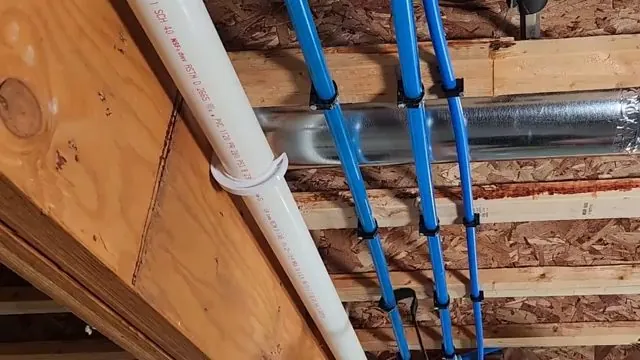
No price range is given here, because the cost depends on the job and no reliable local figure was found. The factors that move the price are how the pipe is reached, how much floor is opened and patched, how many leaks there are, the pipe material and whether permits apply.
Ask for a written scope that names the repair method, who restores the flooring and whether the quote includes the permit. The cost guide page explains why this site publishes ranges only where sources agree.
How Soon a Suspected Slab Leak Needs Attention
| Act the same day | Schedule a visit soon |
|---|---|
| Water is visibly coming up through the floor | A warm spot and a meter that moves slowly |
| A water bill that has jumped and the meter is spinning | A faint sound of water that comes and goes |
| Flooring is wet and spreading | A slightly higher bill with no other sign |
If water is reaching the floor, shut off the main valve while you wait. That alone limits the damage until the line is repaired.
Suspect a Leak Under the Floor? Start With a Call
Describe the warm spot or the bill and give your ZIP code.
Call (833) 840-2034