
Water damage in Maryville, Tennessee
Water Damage Restoration in Maryville, TN: Water Removal, Drying and What Gets Replaced
Once water has gotten into floors and walls, the clock matters. This page walks through stopping the source, removing water, drying and what usually gets replaced, so you can ask the right questions.
The First Hour After Water Gets In
- Stop the water.Close the main valve if a pipe is the source. Water that keeps coming makes everything else harder.
- Think about electricity.If water reached outlets, appliances or the panel, stay away and shut off power only if the breaker is dry and you can reach it safely.
- Photograph everything.Take pictures and video of the water, the damage and the source before anything is moved.
- Lift what you can.Raise furniture legs onto blocks, and move rugs, books and electronics to a dry room.
- Call the plumber and your insurer.The plumber fixes the source. The insurer tells you what it needs before cleanup.
The order matters. A drying crew cannot finish if the pipe is still leaking, which is why the source comes first.
Call and describe what you see.
Call (888) 681-3447Which Kind of Water Is It?
Restoration crews sort water by how clean it was when it got in. That sorting decides what can be dried and what has to be thrown out.
| Water source | How it is usually treated | What to avoid |
|---|---|---|
| A supply line or water heater leak | Treated as clean water at first, which becomes riskier the longer it sits | Waiting days before drying starts |
| A washer, dishwasher or sink overflow | Treated as used water, with more caution around porous materials | Handling soaked items bare-handed |
| A sewer or drain backup | Treated as contaminated, and porous materials are generally removed | Walking through it or running a household vacuum |
| Rain or flooding entering from outside | Treated as contaminated because it carries soil and runoff | Assuming it is the same as a pipe leak |
Ask the crew which category they believe applies to your water and why. The answer tells you what is likely to be dried and what is likely to be removed.
How Removal and Drying Actually Work
Drying is a process of getting standing water out, then pulling moisture from materials until they reach a normal reading. It is not just running a fan.
- Extraction: pumps or wet vacuums remove standing water first.
- Moisture mapping: a meter shows how far the water traveled behind baseboards and under flooring.
- Air movers and dehumidifiers: they pull moisture out of materials and out of the air.
- Monitoring: the crew rereads the meter over several visits until the readings come down.
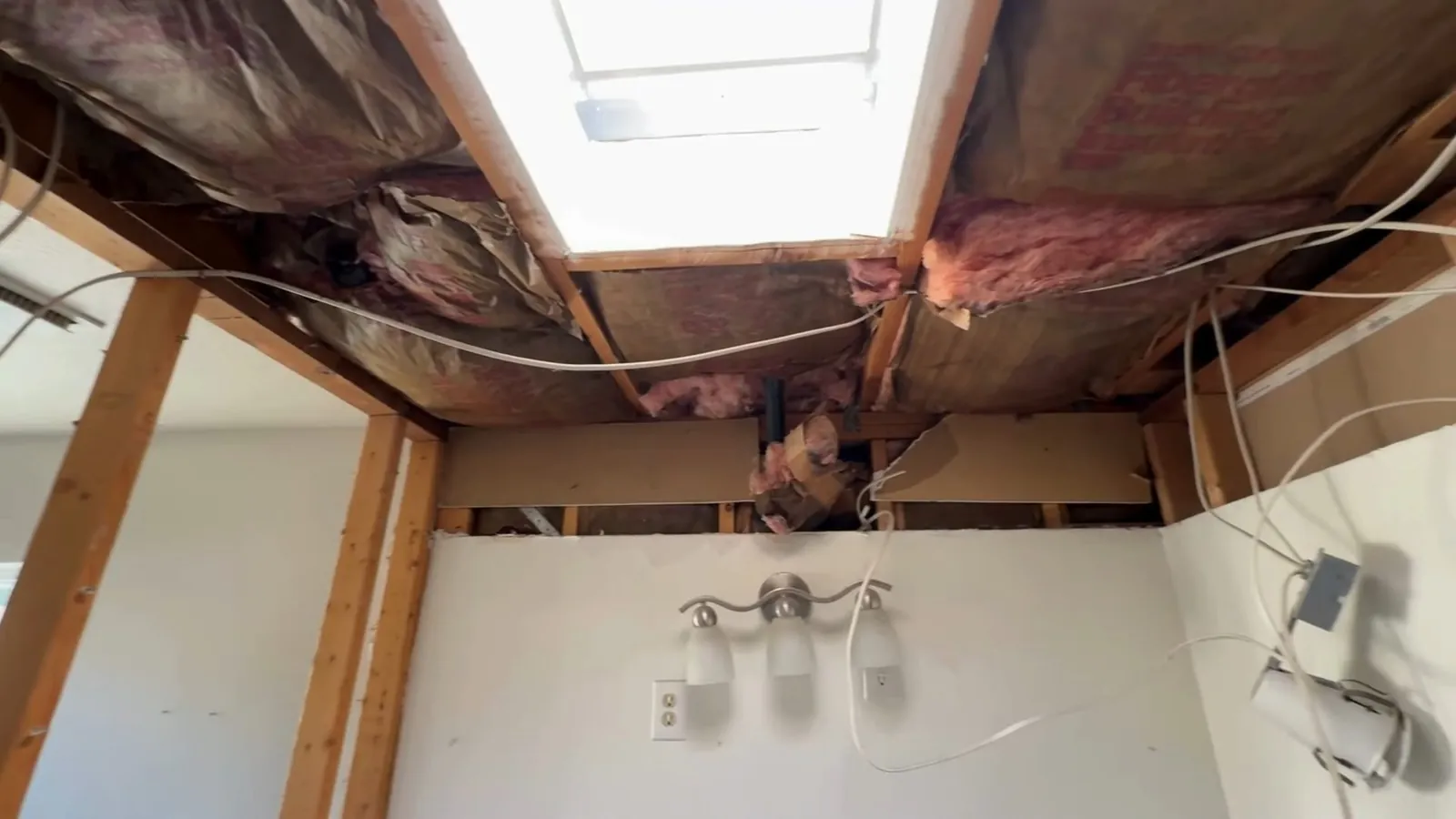
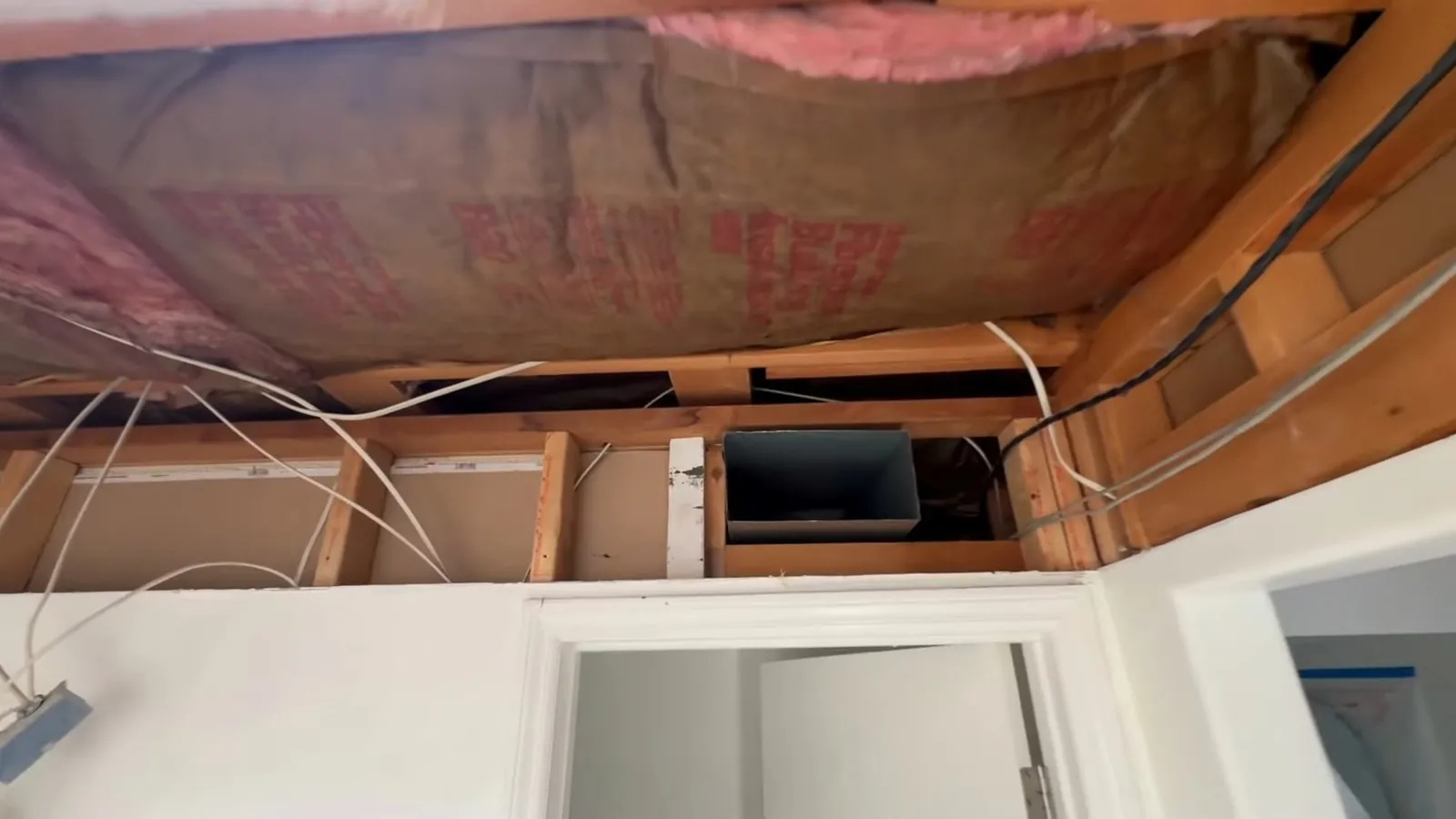
- Removal where drying will not work: soaked padding, wet insulation or damaged drywall may be cut out.
Ask for the moisture readings on the first visit and on the last. A finished job should have a number you can compare against.
What Usually Gets Saved and What Usually Goes
| Material | Often dried in place | Often removed |
|---|---|---|
| Carpet | A clean-water wetting that is caught early | Padding, and carpet after contaminated water |
| Hardwood floor | A small wet area caught early, with careful drying | Boards that cup or buckle |
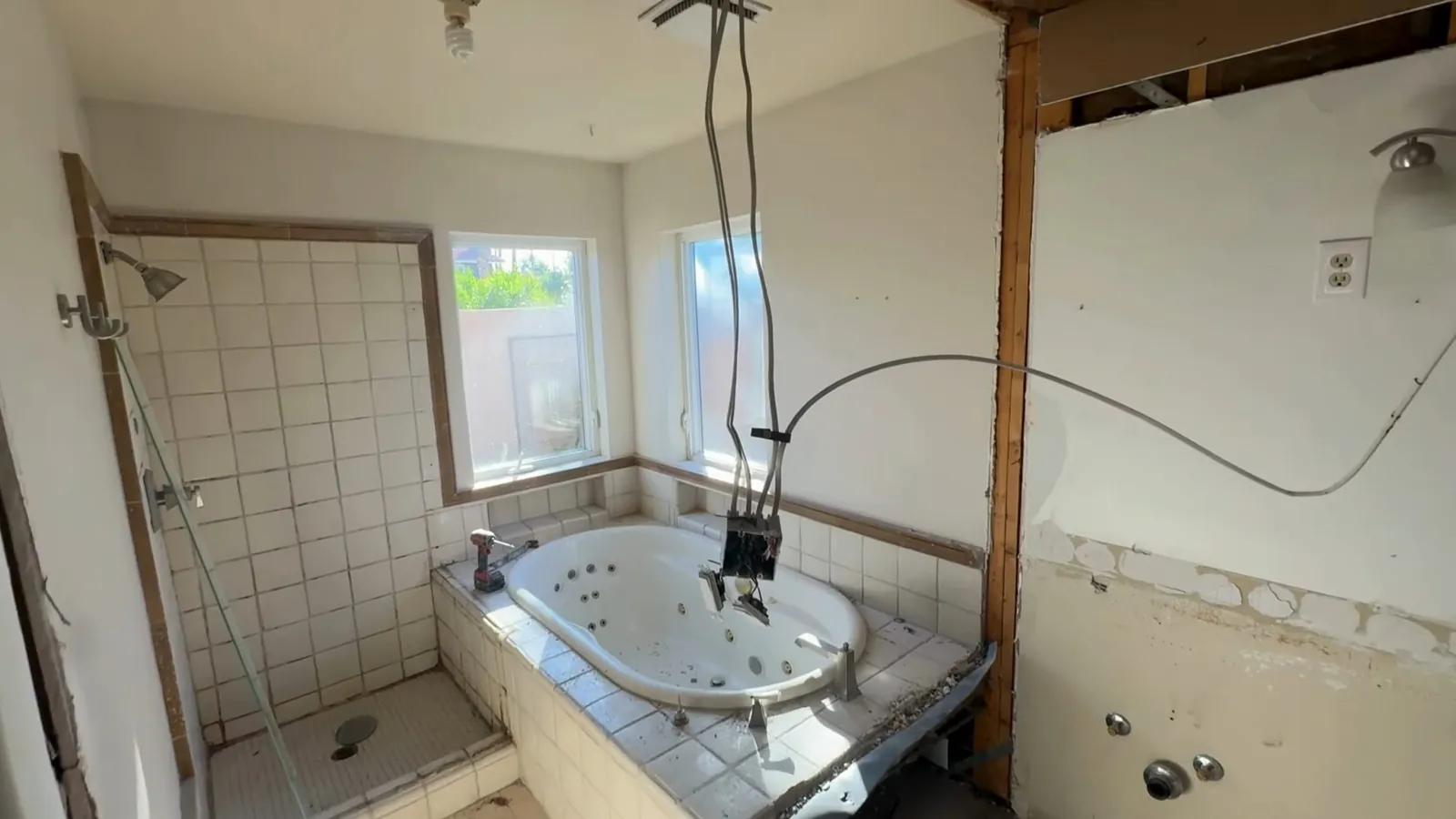
| Drywall and ceilings | Walls that wicked a little water | Sagging or soaked sections, and anything after sewage |
| Insulation | Rarely | Usually removed when soaked |
| Cabinets and trim | Solid wood that can dry | Particleboard that swells and crumbles |
These are patterns, not promises. The meter and the material decide, and a good crew explains each call to you before cutting.
Mold: What to Ask Without Overpromising
Materials that stay wet can support mold growth, which is one reason drying quickly matters. This page does not give a timeline for when mold starts, because that depends on conditions.
- Ask whether the company tests for or addresses mold, and what it charges to do so.
- Ask what the drying plan is to prevent it, and what readings count as dry.
- If you see or smell mold, tell the crew before they start, so it is not disturbed unprepared.
If your insurer wants a mold assessment, it will say so. Get that request in writing, not by phone.
Call and describe what you see.
Call (888) 681-3447After a Sewer or Drain Backup
A backup is a different job from a clean-water leak. The water carried waste, so contact with it is a health risk and porous materials are generally not saved.
- Keep children and pets out of the area.
- Wear waterproof gloves and boots if you have to enter.
- Do not use a household vacuum or fans to spread the water around.
- Stop using drains in the house until the line is cleared.
The line has to be cleared and the cause found before cleanup finishes. See tracing a sewer backup to its source for how a backup source is traced, and cleanup waits on that answer.
Storm and Flood Water Is a Different Question
Water that enters from outside, such as heavy rain or flooding, is not a plumbing failure. The City of Maryville's flooding page says flooding is not covered by a homeowner's policy, and it points to flood insurance and a flood-zone lookup.
Check your own policy and ask your insurer what applies to your situation. We are not giving coverage advice, only passing on what the City says.
Source: City of Maryville flooding and floodplain information.
If water keeps entering a basement from the ground or walls, cleanup is only half the job. See keeping water out of a basement for the prevention side.
Plumber, Restoration Crew and Insurer: Who Does What
| Who | What they own |
|---|---|
| The plumber | Stops the leak, repairs the pipe and tests the repair |
| The restoration crew | Removes water, dries the structure and takes out what cannot be saved |
| The insurer | Decides what is covered and what documentation it needs |
| A contractor | Rebuilds walls, floors and finishes once everything is dry |
Many people expect one company to do all four. Ask who is responsible for each step, and in what order, before work begins. If the leak is still hidden, start at finding where the water started.
Photos, Reports and Receipts to Keep for the Claim
- Photos and video from before cleanup and during it.
- The plumber's written finding on the source.
- The restoration crew's moisture readings and equipment log.
- Receipts for emergency purchases and temporary housing, if any.
- A list of damaged items, with ages and approximate values.
Keep damaged items until the insurer says they may be thrown out, unless they are unsafe to hold.
Water Damage Steps That Cannot Wait Versus Ones That Can
| Act today | Can be scheduled |
|---|---|
| Water still entering the home | A small, dry stain with a known repaired source |
| Wet drywall, padding or insulation | Cosmetic repainting after everything is dry |
| Sewage in the house | A cabinet that dried and shows no swelling |
Moisture left in place can lead to damage that is harder to reverse. If the water has been there a day or more, call now and tell them how long.
If a pipe was the cause, the plumbing side starts with stopping the pipe that failed.
Water in the House? Start the Call Now
Say where the water came from, how long ago and what it reached.
Call (888) 681-3447